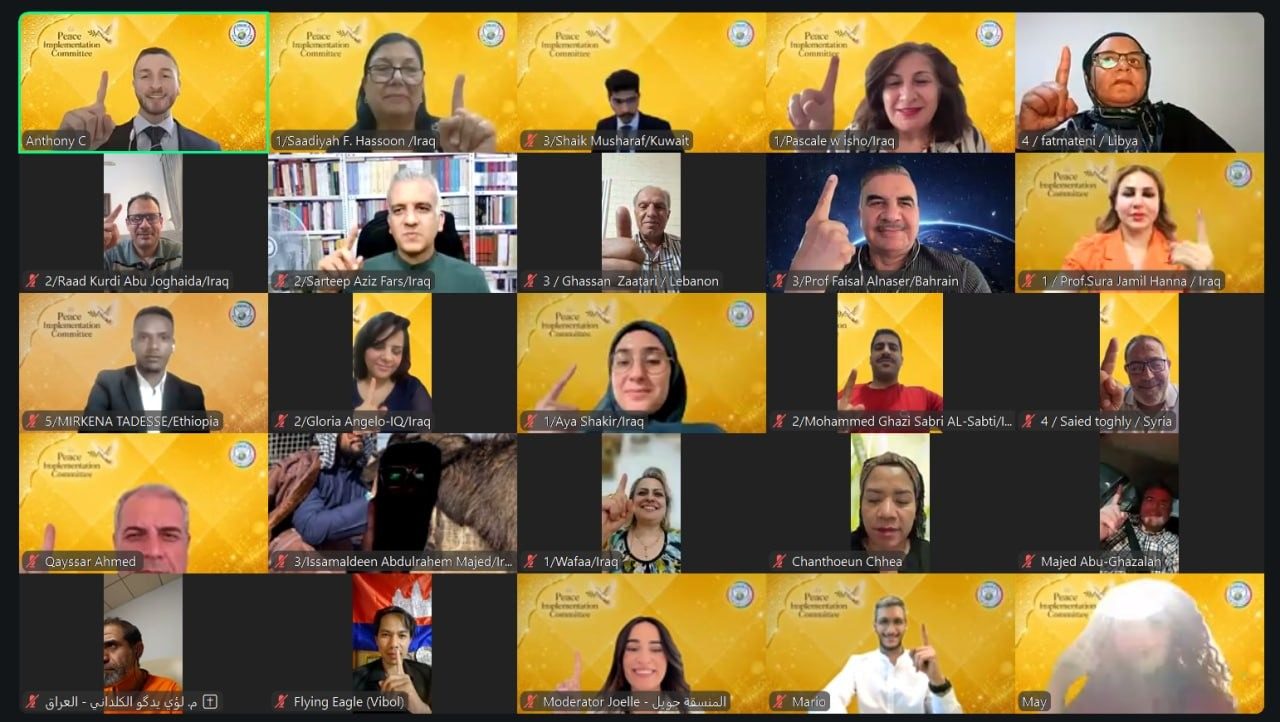
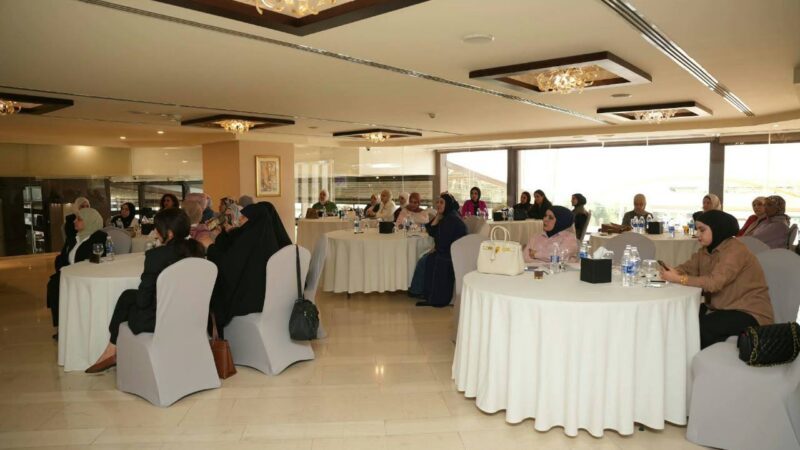
عقدت منظمة الثقافة السماوية، السلام العالمي، وإحياء النور (HWPL)» اجتماعها الثاني لـلجنة السلام في الشرق الأوسط عبر الإنترنت في 4 يوليو، بمشاركة قادة دينيين ومعلمين وممثلين عن المجتمع المدني من العراق ومختلف أنحاء المنطقة، لمناقشة تعزيز التعاون الإقليمي وتوسيع نطاق تعليم السلام استنادًا إلى وثيقة السلام ووقف الحرب (DPCW).
ويأتي الاجتماع في وقت لا يزال فيه الشرق الأوسط يواجه تداعيات النزاعات المسلحة والتوترات الدينية والعرقية، ما يجعل استعادة الثقة الاجتماعية وإرساء آليات سلام مستدامة من أبرز الأولويات. واتفق المشاركون على أن التعافي بعد النزاعات لا يتحقق عبر الجهود الحكومية وحدها، بل يتطلب تعاونًا فعّالًا بين الزعماء الدينيين والمؤسسات التعليمية ومنظمات المجتمع المدني، مؤكدين أن تعليم السلام والحوار بين الأديان يمثلان نهجًا عمليًا لإعادة بناء المجتمعات وتعزيز التماسك الاجتماعي.
وركّزت الجلسة على المواد 8 و9 و10 من وثيقة DPCW، التي تتناول حرية الدين والهوية الدينية والعرقية وتعزيز ثقافة السلام. وتبادل المشاركون خبراتهم من بلدانهم، وناقشوا تطبيقات عملية في سياقاتهم المحلية، مقترحين مبادرات موجهة لاحتياجات المنطقة، من بينها إدماج تعليم السلام في المدارس، وتعزيز الثقة بين الأديان، وتوسيع مشاركة الشباب، مع الاتفاق على مواصلة هذا المسار عبر اجتماعات دورية للجنة.
وفي مداخلة شددت على البعد المجتمعي للسلام، قالت وزيرة الهجرة والنزوح العراقية السابقة باسكال إيشو وردة: “لا يمكن حل نزاعات اليوم من خلال المقاربات السياسية وحدها. فعندما تتعاون المجتمعات الدينية والمجتمع المدني على أساس القيم المشتركة والاحترام المتبادل، يمكن استعادة الثقة داخل المجتمعات المحلية. إن السلام ليس مجرد غياب الحرب، بل هو مجتمع تُصان فيه كرامة الإنسان والعدالة معًا.“
من جانبه، أكد الدكتور سرتيب عزيز فارس، الأستاذ بكلية العلوم الإسلامية في جامعة السليمانية، أن الحوار يفتح أبواب الفهم ويقلّص مساحات الخوف، قائلًا: “إن الدين يهدف إلى صون قيمة الحياة، والحوار بين الأديان لا يتعلق بالتخلي عن معتقدات المرء، بل بفهم الآخرين بدقة وإنصاف. فالفهم يقلل الخوف، ويبني الثقة والتعاون، ويهيئ في نهاية المطاف الظروف التي يمكن أن ينمو فيها السلام.“
ويُعد هذا الاجتماع امتدادًا للجلسة الأولى للجنة السلام في الشرق الأوسط التي عُقدت في يونيو، ضمن مساعٍ لتعزيز التعاون الإقليمي. وأفادت HWPL أنها تعتزم مواصلة توفير منصات للحوار تجمع قادة المجتمع المدني والجهات الحكومية المعنية، لا سيما في البلدان المتضررة من النزاعات، بما فيها العراق. كما تسعى المنظمة عبر منتديات دورية تضم مؤسسات تعليمية محلية ومنظمات مجتمع مدني إلى تبادل الخبرات الإقليمية والتوسع التدريجي في نماذج مجتمعية لبناء ثقافة سلام قائمة على مبادئ DPCW.
HWPL Holds Second Middle East Peace Committee Meeting to Promote Dialogue and Peace Education
Heavenly Culture, World Peace, Restoration of Light (HWPL) held the second online meeting of the Middle East Peace Committee on July 4, bringing together religious leaders, educators, and civil society representatives from Iraq and across the region to discuss strengthening regional cooperation and expanding peace education based on the Declaration of Peace and Cessation of War (DPCW).
The meeting took place amid ongoing challenges facing the Middle East, including the consequences of armed conflicts and religious and ethnic tensions. Participants emphasized that sustainable peace cannot be achieved through government efforts alone, but requires effective cooperation among religious leaders, educational institutions, and civil society organizations.
The session highlighted the importance of peace education and interfaith dialogue as practical approaches to rebuilding social trust and strengthening community cohesion. Discussions focused on Articles 8, 9, and 10 of the DPCW, which address religious freedom, religious and ethnic identity, and the promotion of a culture of peace.
Participants shared experiences from their countries and discussed practical initiatives tailored to regional needs, including integrating peace education into schools, strengthening interfaith trust, and expanding youth participation. They agreed to continue this process through regular meetings of the committee.
Former Iraqi Minister of Migration and Displacement Pascale Ishou Warda stated: “Today’s conflicts cannot be resolved through political approaches alone. When religious communities and civil society work together based on shared values and mutual respect, trust can be restored within local communities. Peace is not merely the absence of war; it is a society where human dignity and justice are protected together.”
Dr. Sertip Aziz Faris, Professor at the College of Islamic Sciences at the University of Sulaymaniyah, emphasized that dialogue opens paths toward understanding and reduces fear, stating: “Religion aims to preserve the value of life. Interfaith dialogue does not mean abandoning one’s beliefs, but rather understanding others with accuracy and fairness. Understanding reduces fear, builds trust and cooperation, and creates conditions where peace can grow.”
The meeting follows the first Middle East Peace Committee session held in June and reflects HWPL’s ongoing efforts to strengthen regional cooperation. The organization plans to continue providing platforms that bring together civil society leaders, educational institutions, and relevant stakeholders—particularly in conflict-affected countries such as Iraq—to exchange experiences and expand community-based models for building a culture of peace based on the principles of the DPCW.