رعاية الأحداث في النجف الاشرف .. تنسيق مؤسسي لحماية الطفولة
رشا الجنابي –النجف الأشرف
في خطوة تستهدف الانتقال من معالجة مشكلات الأحداث بعد وقوعها إلى الوقاية المبكرة من جنوحهم ناقش مجلس رعاية الأحداث في محافظة النجف الأشرف آليات تحديد المناطق الأكثر احتياجًا للتدخل، بالاستناد إلى البيانات والإحصائيات الرسمية وتعزيز التنسيق بين المؤسسات الحكومية المعنية
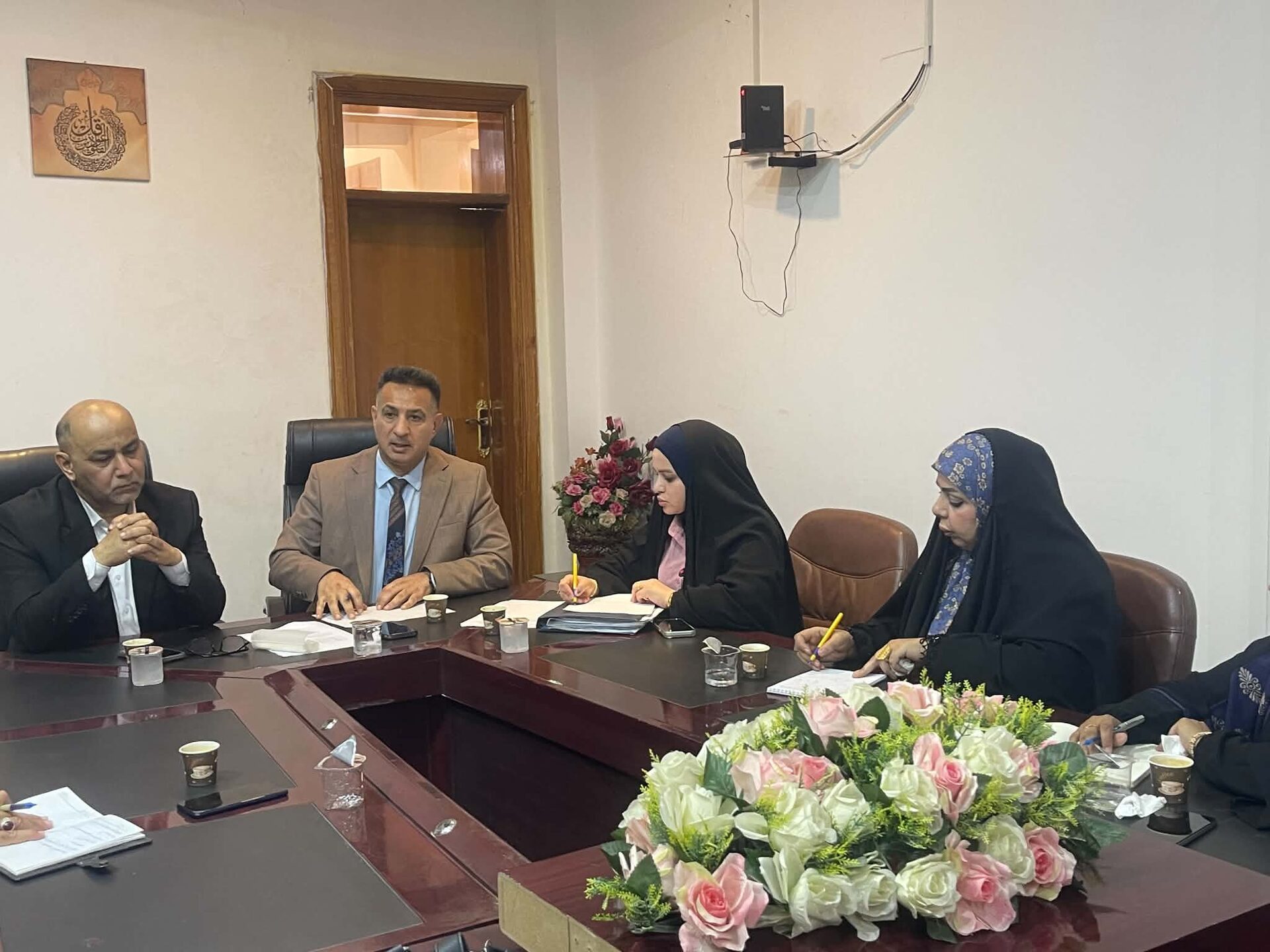
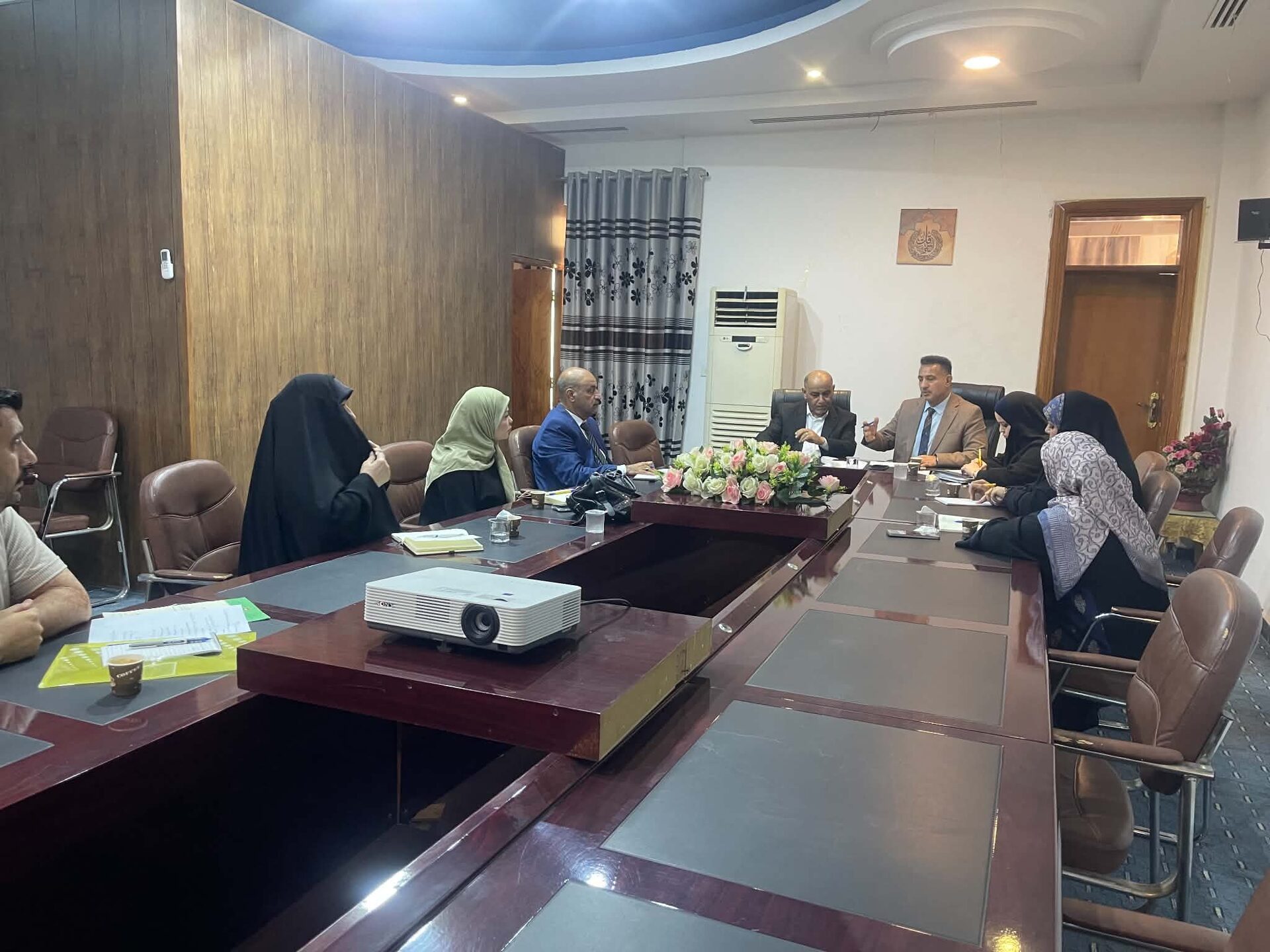
وعقد المجلس اجتماعًا برئاسة معاون محافظ النجف للشؤون القانونية الدكتور إياد عبد العباس الفتلاوي وبحضور مستشار المحافظ للشؤون اللامركزية الإدارية الأستاذ إياد عبد الحسين الفتلاوي خُصص لمناقشة البيانات والإحصائيات المقدمة من الدوائر الحكومية ذات العلاقة ودراستها بهدف وضع آليات عملية للحد من جنوح الأحداث وتحويل الخطط إلى برامج قابلة للتنفيذ على أرض الواقع
البيانات لتحديد مناطق التدخل
وأكد الفتلاوي خلال الاجتماع أهمية إعداد خارطة جغرافية للمناطق الأكثر احتياجًا في المحافظة بما يساعد الجهات المعنية على تحديد الأولويات وتوجيه جهودها وفقًا للبيانات والمعطيات المتوفرة
وأشار إلى أن تحديد المناطق الأكثر احتياجًا يمكن أن يمثل خطوة أساسية في بناء تدخلات أكثر دقة بدل التعامل مع ظاهرة جنوح الأحداث بصورة عامة إذ يسمح بتوجيه البرامج الوقائية والتوعوية إلى المناطق التي تظهر فيها مؤشرات تستدعي التدخل
وبحسب ما نوقش خلال الاجتماع تحظى المناطق الشمالية من محافظة النجف الاشرف بأولوية في هذه المرحلة استنادًا إلى البيانات والمعطيات التي قدمتها المؤسسات الحكومية ذات العلاقة
المدرسة خط الدفاع الأول
ومع انطلاق العام الدراسي الجديد شدد رئيس الاجتماع على ضرورة تعزيز دور المرشد التربوي داخل المدارس باعتباره أحد العناصر الأساسية في اكتشاف المشكلات التي قد تواجه الطلبة في مراحلها المبكرة
وتكمن أهمية المرشد التربوي في متابعة سلوك الطلبة ورصد المؤشرات التي قد تستدعي التدخل وفتح قنوات التواصل مع الأسرة والمؤسسات المختصة عند الحاجة بما يساعد على معالجة المشكلات قبل تفاقمها
ويأتي التركيز على البيئة المدرسية في إطار رؤية وقائية تسعى إلى التعامل مع الأحداث والطلبة باعتبارهم فئة تحتاج إلى الرعاية والتوجيه والدعم، وليس فقط إلى الإجراءات اللاحقة عند وقوع المخالفة
فريق للاستجابة السريعة
وفي السياق ذاته دعا الفتلاوي إلى تشكيل فريق عمل فاعل للاستجابة السريعة يضم ممثلين عن مديرية الشرطة المجتمعية, ودائرة صحة النجف الأشرف، ومديرية التربية، بهدف تعزيز التنسيق وتبادل المعلومات والاستجابة للحالات التي تحتاج إلى تدخل
ومن شأن هذا التنسيق أن يربط بين الجوانب الأمنية والتربوية والصحية والاجتماعية في التعامل مع قضايا الأحداث بدل معالجة كل حالة بصورة منفردة من قبل مؤسسة واحدة
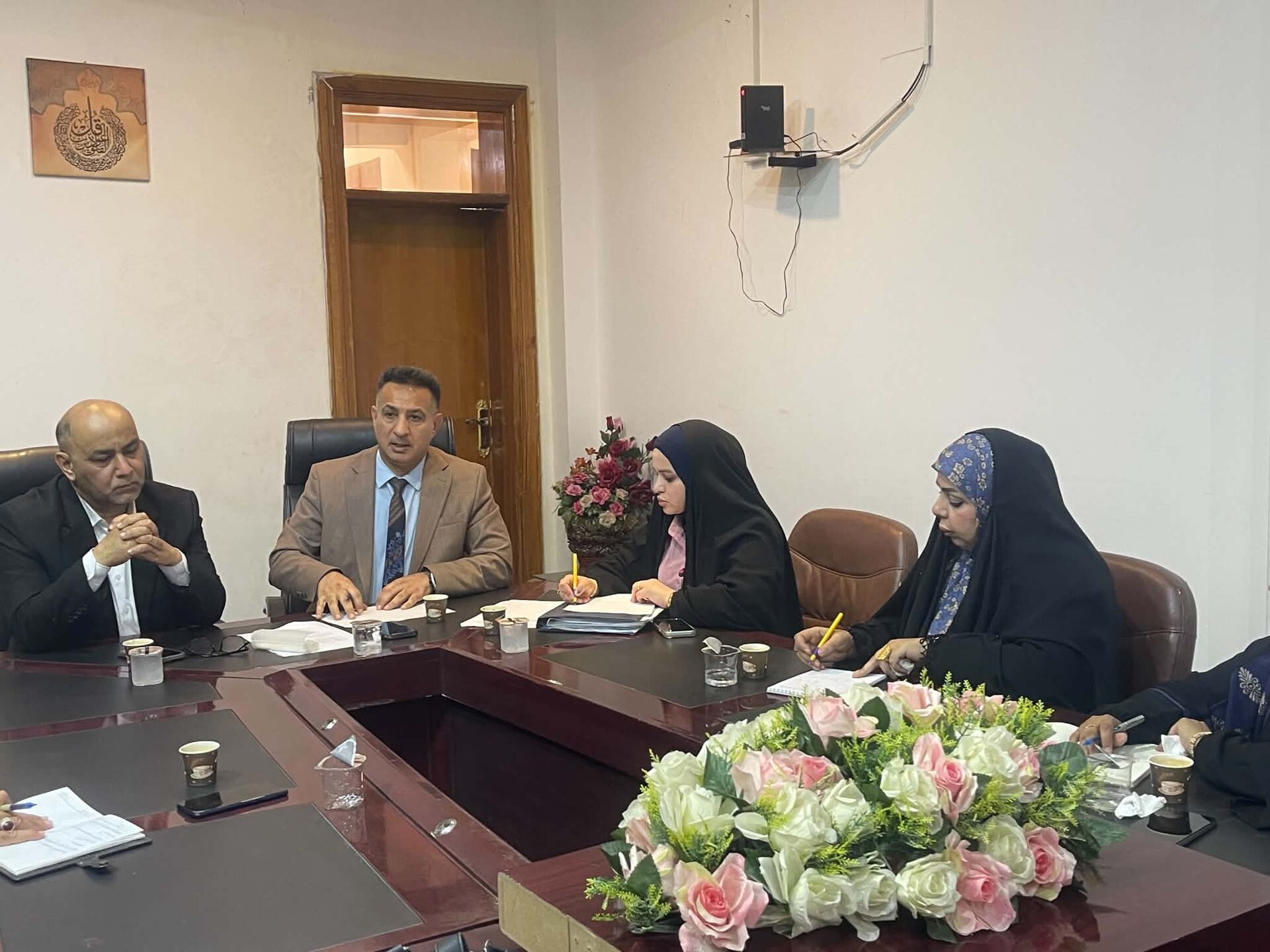
وقال رئيس مجلس رعاية الأحداث في النجف الأشرف الدكتور إياد عبد العباس الفتلاوي
إن حماية الأحداث والحد من جنوحهم مسؤولية مشتركةتتطلب الانتقال من رد الفعل إلى الوقاية المبكرة وهذا ما نعمل عليه من خلال قراءة البيانات وتحديد المناطق الأكثر احتياجًا للتدخل، وتوجيه جهود المؤسسات نحوها وفق أولويات واضحة
وأضاف نركز في المرحلة المقبلة على تعزيز دور المرشد التربوي وتفعيل التنسيق بين التربية والصحة والشرطة المجتمعية وتشكيل فريق قادر على الاستجابة السريعة للحالات التي تحتاج إلى تدخل، لأن معالجة المشكلة في بدايتها أكثر فاعلية من انتظار تفاقمها
وأكد أن البيانات والإحصائيات الحكومية ستكون أساسًا في تحديد الأولويات مشيرًا إلى أن الهدف هو تحويل ما يتم رصده من مؤشرات إلى برامج وإجراءات عملية يمكن قياس نتائجها على أرض الواقع
من التشخيص إلى الوقاية
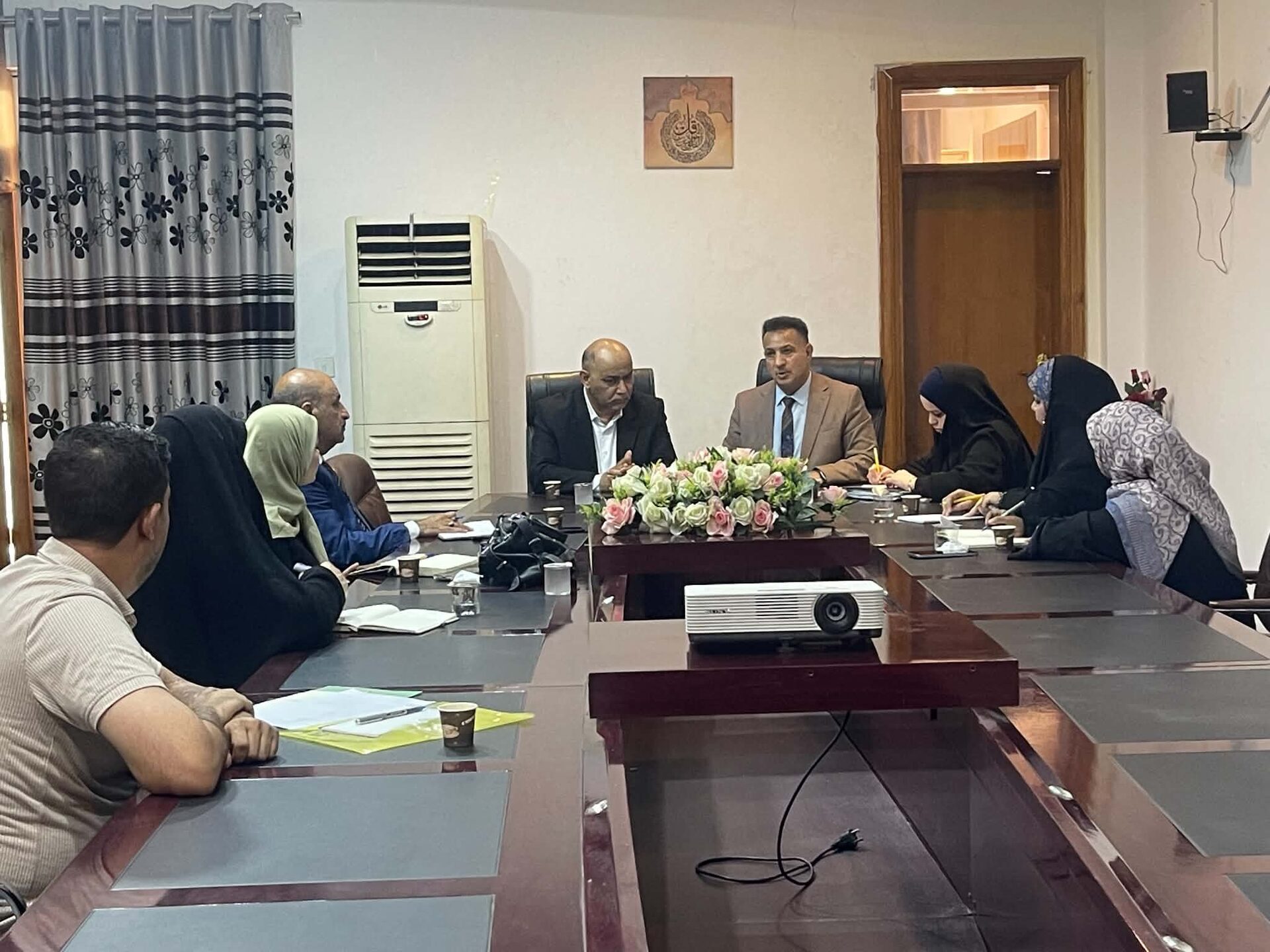
وتشير مخرجات الاجتماع إلى توجه مجلس رعاية الأحداث في النجف نحو بناء مقاربة أكثر اعتمادًا على البيانات والتدخل الوقائي من خلال معرفة أين تتركز الاحتياجات وما طبيعة المشكلات التي تواجه الأحداث ثم تصميم البرامج المناسبة لكل منطقة
ويضع هذا التوجه مسؤولية إضافية على المؤسسات المعنية في توفير بيانات محدثة وقابلة للتحليل ومتابعة نتائج البرامج بعد تنفيذه بما يسمح بتقييم مدى نجاحها وإعادة توجيه الموارد عند الحاجة
وتبقى الخطوة الأهم خلال المرحلة المقبلة هي تحويل الخارطة الجغرافية للمناطق الأكثر احتياجًا إلى خطة عمل واضحة تتضمن برامج مدرسية ومجتمعية وآليات للإحالة والمتابعة ومؤشرات لقياس التقدم بما يجعل حماية الأحداث مسؤولية مؤسسية متكاملة لا تقتصر على جهة واحدة
Juvenile Welfare in Najaf: Institutional Coordination to Protect Children
In a step aimed at shifting from addressing juvenile-related problems after they occur toward early prevention of juvenile delinquency, the Juvenile Welfare Council in Najaf Governorate discussed mechanisms for identifying areas most in need of intervention, based on official data and statistics, while strengthening coordination among relevant government institutions.
The council held a meeting chaired by Dr. Iyad Abdul Abbas Al-Fatlawi, Deputy Governor of Najaf for Legal Affairs, and attended by Mr. Iyad Abdul Hussein Al-Fatlawi, Advisor to the Governor for Administrative Decentralization Affairs. The meeting focused on reviewing data and statistics submitted by relevant government departments and examining them to develop practical mechanisms for reducing juvenile delinquency and translating plans into programs that can be implemented on the ground.
Using Data to Identify Areas for Intervention
During the meeting, Al-Fatlawi stressed the importance of developing a geographical map of the areas most in need across the governorate. This would help relevant authorities identify priorities and direct their efforts according to available data and evidence.
He noted that identifying areas with greater needs could represent an important step toward designing more targeted interventions, rather than addressing juvenile delinquency as a general phenomenon. Such an approach would allow prevention and awareness programs to be directed toward areas where indicators point to a greater need for intervention.
According to the data and information discussed during the meeting, the northern areas of Najaf Governorate have been identified as a priority at this stage.
Schools as the First Line of Prevention
With the beginning of the new academic year, the meeting emphasized the need to strengthen the role of school counselors, who are considered an important part of identifying problems affecting students at an early stage.
School counselors can monitor students’ behavior, identify indicators that may require intervention, and establish communication channels with families and relevant institutions when necessary. Early intervention can help address problems before they become more serious.
The focus on the school environment reflects a preventive approach that views juveniles and students as a group requiring care, guidance, and support, rather than relying solely on measures taken after an offense has occurred.
A Rapid Response Team
Al-Fatlawi also called for the formation of an effective rapid-response team involving representatives from the Community Police Directorate, the Najaf Health Department, and the Directorate of Education.
The proposed coordination aims to strengthen communication and information sharing and ensure timely responses to cases requiring intervention.
Such cooperation would bring together the security, educational, health, and social dimensions of juvenile welfare, rather than leaving individual institutions to address cases separately.
Al-Fatlawi: Protecting Juveniles Is a Shared Responsibility
Chairman of the Juvenile Welfare Council in Najaf, Dr. Iyad Abdul Abbas Al-Fatlawi, said that protecting juveniles and reducing delinquency is a shared responsibility that requires moving from reaction to early prevention.
“Protecting juveniles and reducing delinquency is a shared responsibility that requires us to move from reaction to early prevention. This is what we are working toward by analyzing data, identifying the areas most in need of intervention, and directing institutional efforts according to clear priorities.”
He added:
“In the coming period, we will focus on strengthening the role of school counselors, activating coordination among education, health, and community police institutions, and establishing a team capable of responding quickly to cases requiring intervention. Addressing a problem at an early stage is more effective than waiting for it to escalate.”