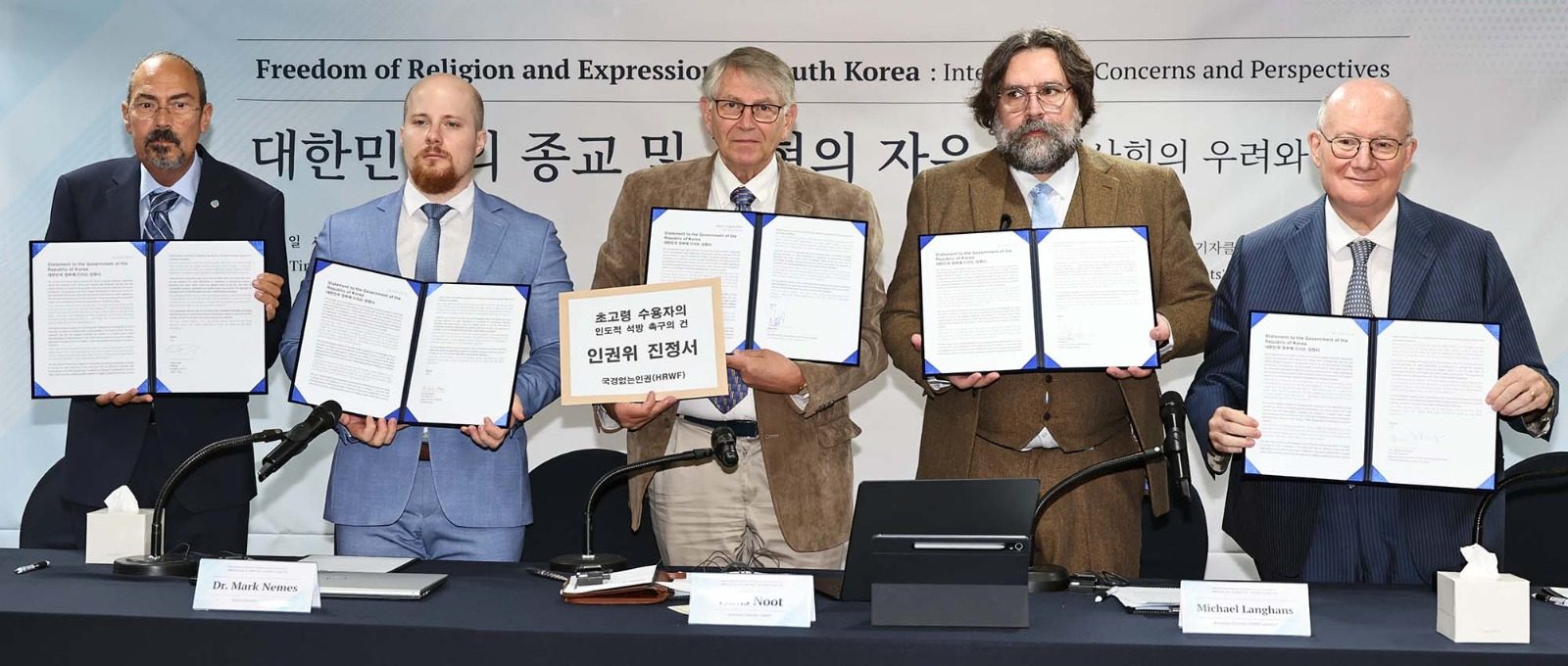
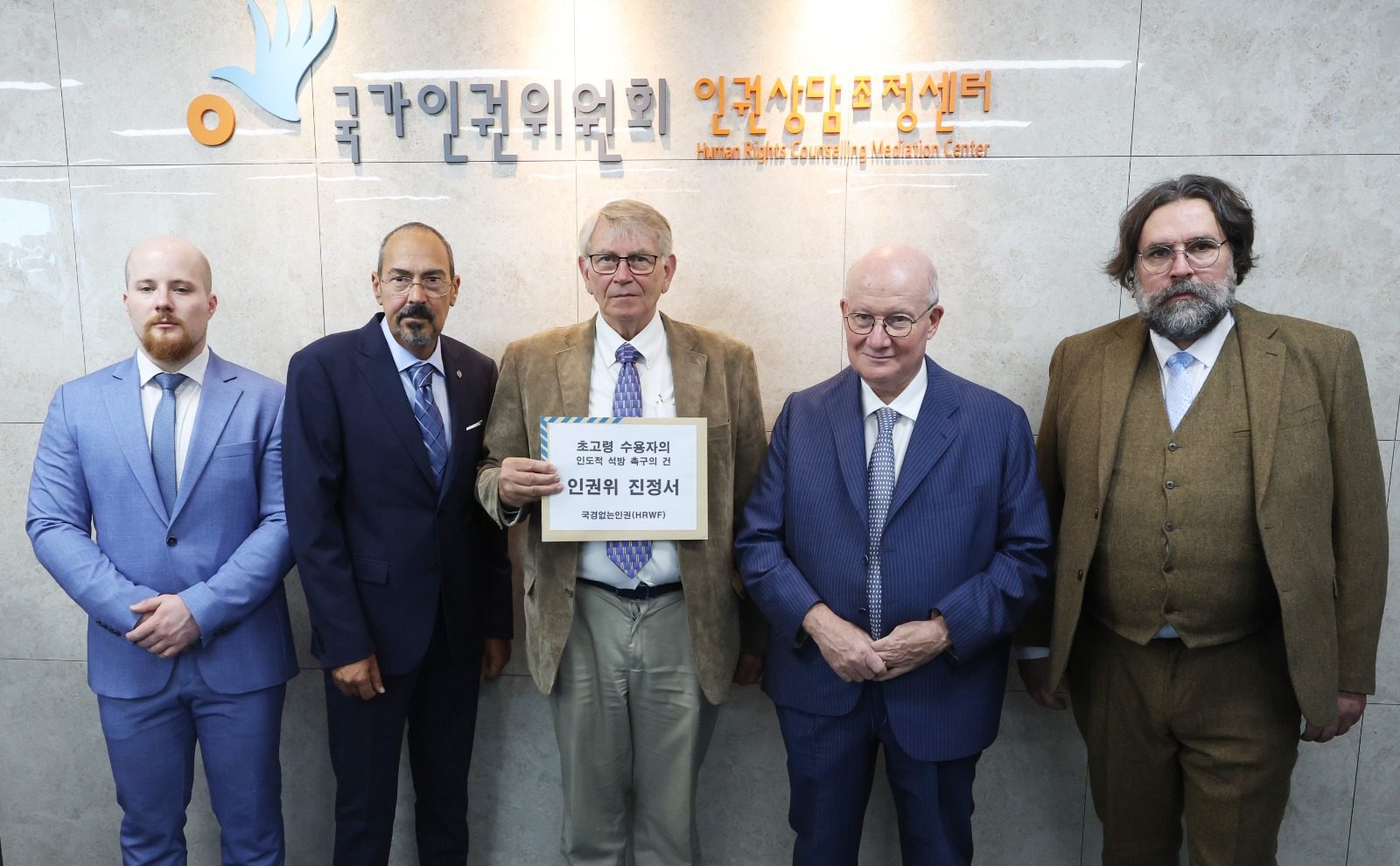
International human rights organizations have raised concerns over what they described as growing challenges to freedom of religion or belief and freedom of expression in South Korea, calling on the authorities to ensure that legal and administrative measures are applied in a neutral, proportionate and non-discriminatory manner.
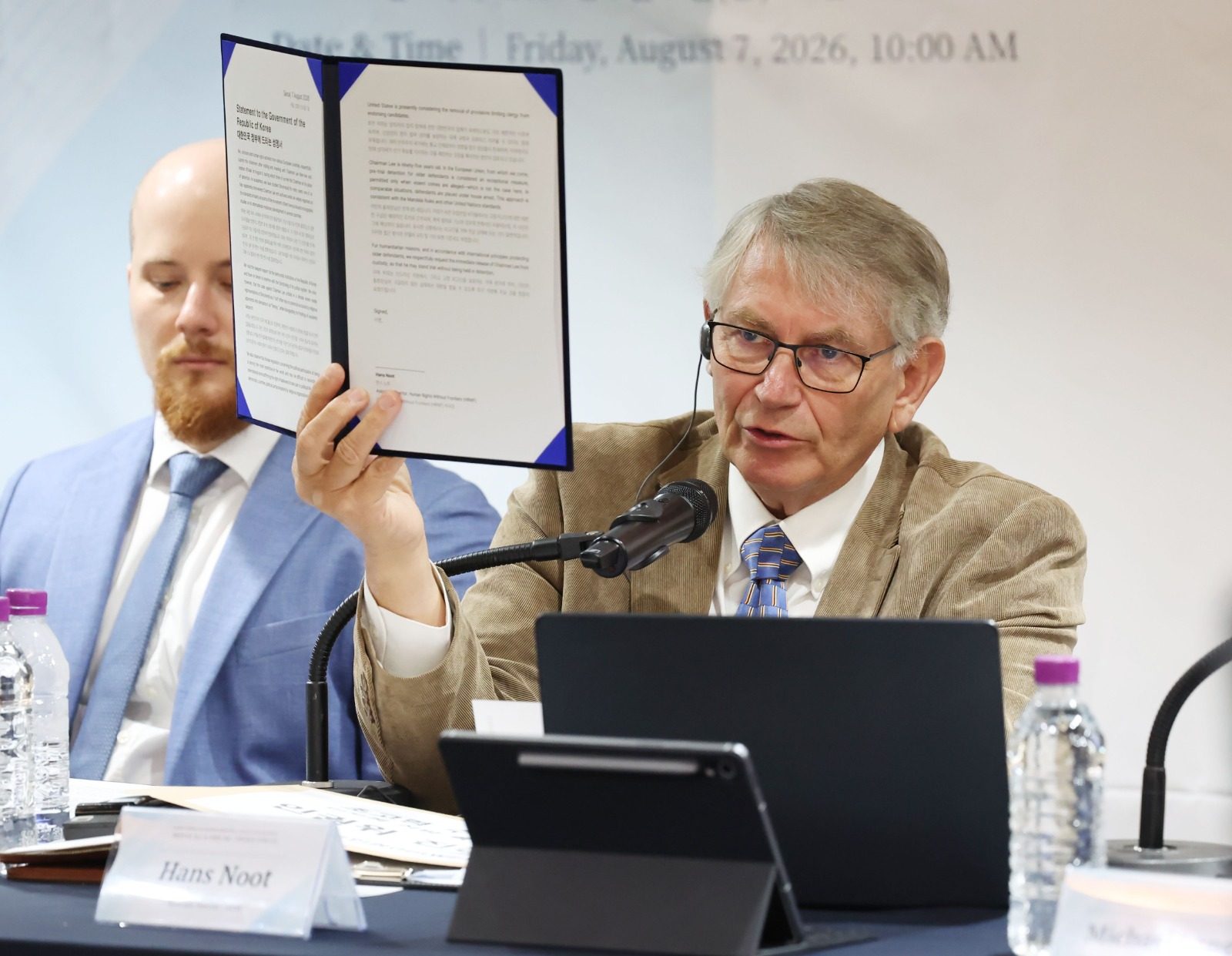
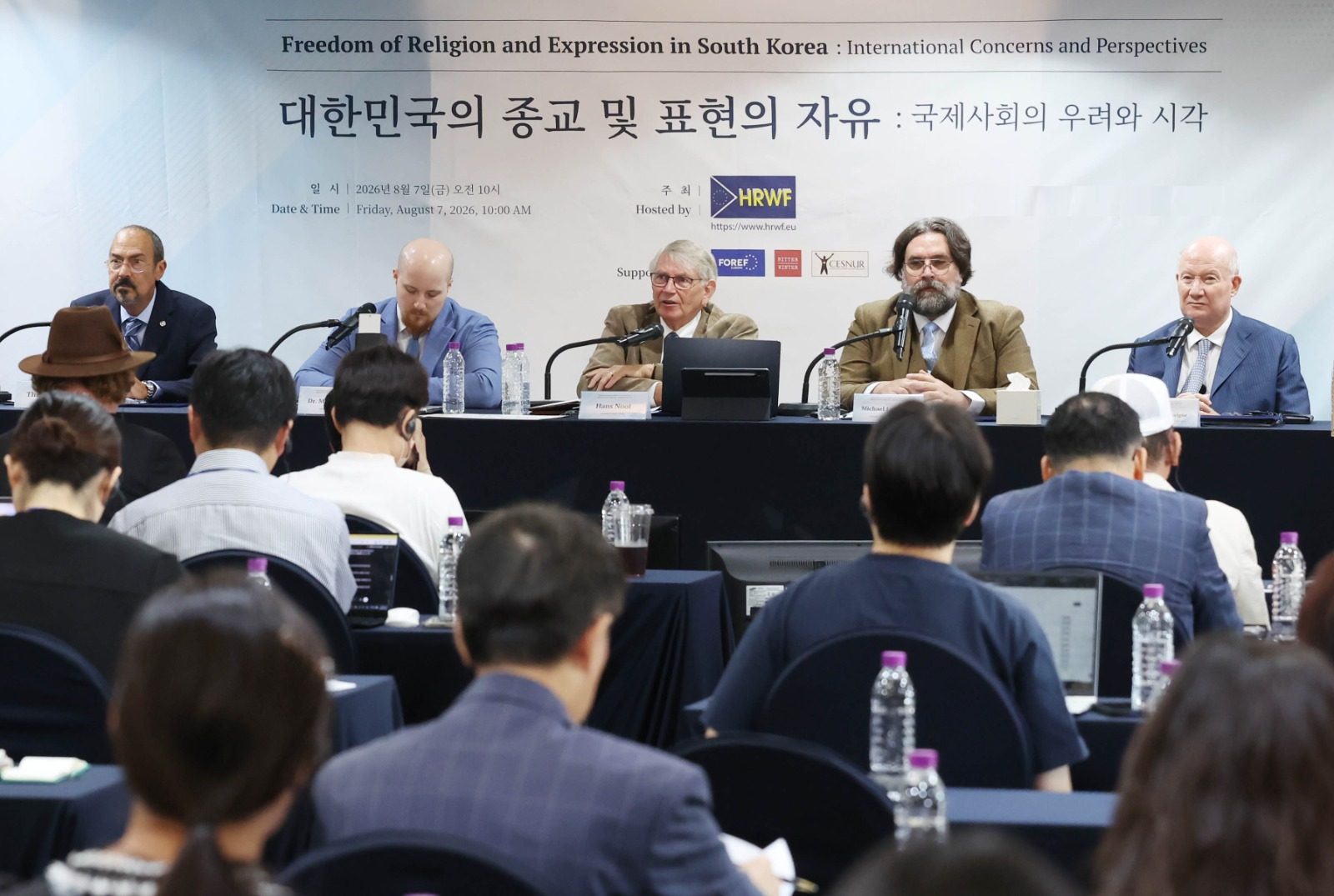
The concerns were raised during a press conference held Friday at the Seoul Foreign Correspondents’ Club (SFCC) and organized by Human Rights Without Frontiers (HRWF), in cooperation with CAP Freedom of Conscience (CAP LC), accredited to the United Nations Economic and Social Council (ECOSOC), as well as FOREF, CESNUR and Bitter Winter.
Concerns over the detention of religious leaders
A central issue discussed at the conference was the detention of senior religious figures pending trial, particularly Lee Man-hee, the 95-year-old leader of Shincheonji, and Hak Ja Han Moon, 83, of the Family Federation.
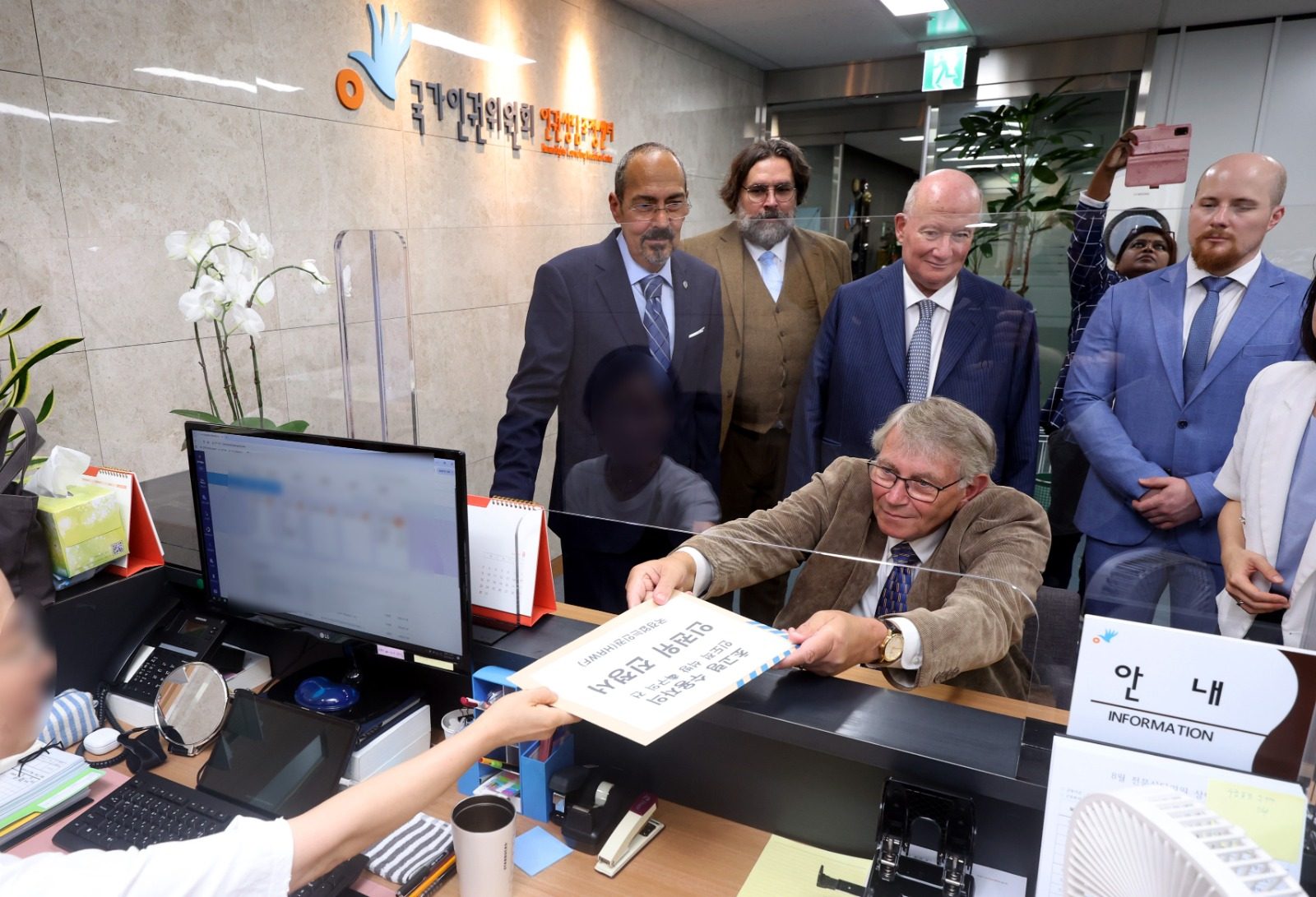
The participating organizations called on South Korean authorities to review the detention measures, particularly in light of concerns related to proportionality, humanitarian considerations and due process. They stressed that legal and administrative responses to religious minorities should remain consistent with South Korea’s international human rights obligations.
Opening the conference, Hans Noot, Deputy Director of Human Rights Without Frontiers, said the issues under discussion lie at the heart of a democratic society. He emphasized that fundamental rights should apply equally to everyone, regardless of religious affiliation or membership in a particular organization.
Detention and the right to freedom of belief
Terry Leleu, President of CAP Freedom of Conscience, addressed the legal aspects of Lee Man-hee’s detention, referring to South Korea’s obligations under the International Covenant on Civil and Political Rights (ICCPR) and the Convention Against Torture.
He questioned whether keeping a 95-year-old person in pretrial detention is compatible with principles of necessity and proportionality, emphasizing the importance of the presumption of innocence and human dignity. He also pointed to alternative measures that could be considered instead of pretrial detention where legally appropriate.
Shincheonji case raises broader questions
Michael Langans, Executive Director of FOREF Germany, questioned whether continued pretrial detention of Shincheonji leader Lee Man-hee is necessary, particularly where sufficient evidence may already exist to bring a case forward.
He also raised concerns about whether evidence had been collected impartially, rather than being influenced by the characterization of the religious group as a “cult” or “extremist group.”
According to Langans, the case raises a broader question for lawmakers: how can measures designed to protect electoral integrity be implemented without undermining constitutional and international protections for freedom of religion, belief and peaceful assembly?
Concerns extend beyond Shincheonji
The conference also addressed issues beyond Shincheonji. The organizations highlighted concerns regarding the Sigureo Church in Busan, which they said continues to face harassment and official scrutiny even following the release of Pastor Son Hyun-bo from detention.
Other issues discussed included conscientious objection, public opposition to the construction of a mosque in Daegu, and religious accommodations within educational institutions.
The participants also referred to the longstanding issue of conscientious objectors in South Korea, particularly members of Jehovah’s Witnesses who have historically faced imprisonment for refusing military service on religious grounds. Although an alternative civilian service system was introduced, critics argue that its length and conditions remain punitive, with the alternative service reportedly lasting 36 months compared with a shorter period of regular military service.
Warning over stigma and hostility
Massimo Introvigne, Deputy Director of CESNUR, discussed the potential consequences of continued stigma and hostility toward religious minorities. He referred to recent academic studies examining Shincheonji communities in
Europe, Argentina and Australia.
According to his presentation, the studies identified concerning signs of increased hostility toward the group, raising questions about the wider impact that sustained negative narratives and discriminatory practices can have on religious minorities.
A call to protect rights for everyone
The conference concluded with a broader call for the protection of fundamental rights regardless of religious affiliation.
The participating organizations emphasized that the discussion should not be understood as an endorsement of any particular religious movement, but rather as part of a wider debate about the protection of freedom of religion or belief, freedom of expression and peaceful assembly in a democratic society.
They called on South Korean authorities to ensure that legal and administrative measures affecting religious groups are neutral, proportionate and consistent with international human rights standards, arguing that the protection of religious freedom and freedom of expression remains an important test of pluralism, equality and human rights in democratic societies.