مقال صحفي في الأبعاد الاقتصادية والحقوقية والبيئية لواقع المرأة الريفية، بمناسبة اليوم الدولي للمرأة الريفية – 15 تشرين الأول/أكتوبر 2026.
رشا الجنابي/العراق
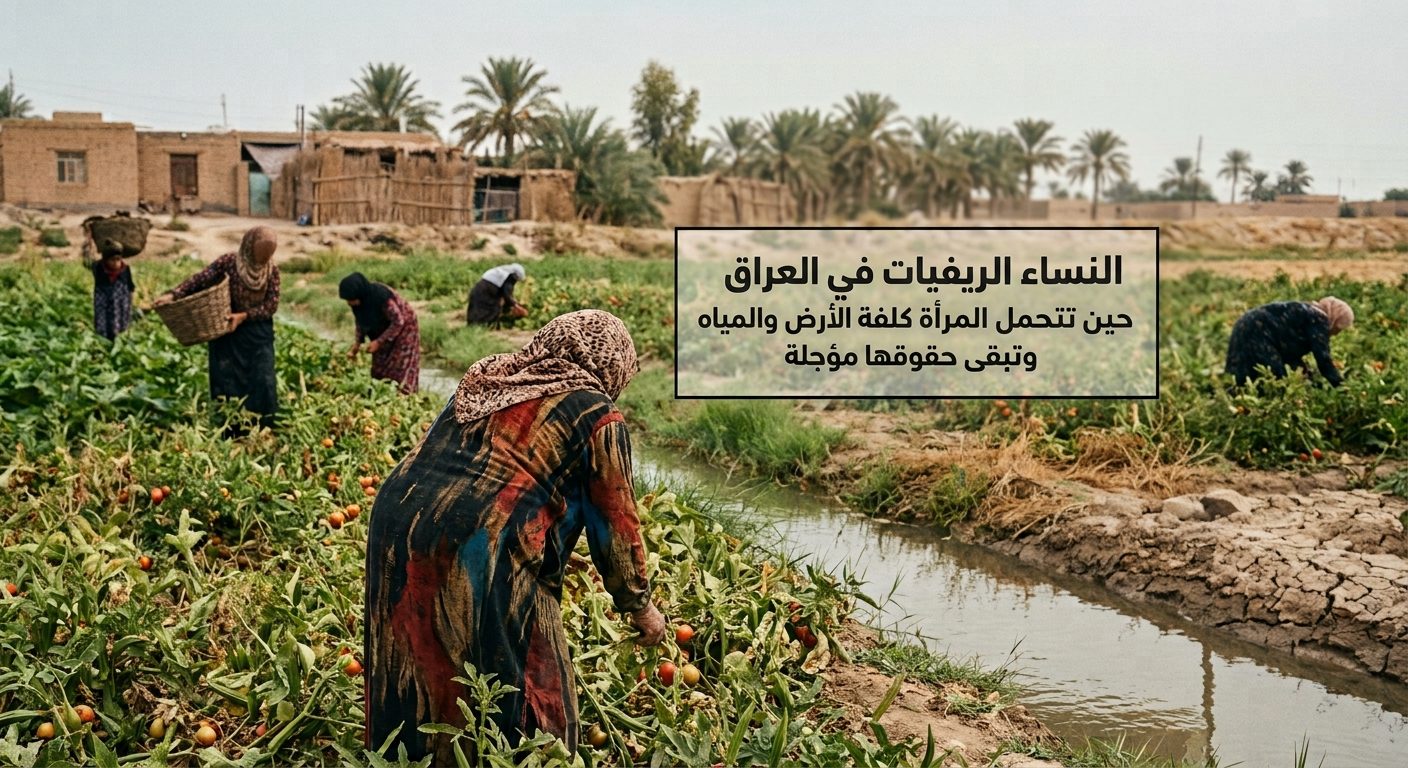
في الريف العراقي لا تبدأ حكاية المرأة من الحقل وحده ولا تنتهي عند موسم الحصادإنها حكاية عمل يمتد من الأرض إلى المنزل ومن رعاية المحاصيل والمواشي إلى تدبير احتياجات الأسرة ومن مواجهة شح المياه وتراجع الموارد إلى محاولة الحفاظ على مصدر رزق قد لا تملك المرأة نفسها سلطة اتخاذ القرار بشأنه
في الخامس عشر من تشرين الأول/أكتوبر يحتفي العالم باليوم الدولي للمرأة الريفية الذي أقرته الأمم المتحدة لتسليط الضوء على إسهامات النساء في الإنتاج الزراعي والأمن الغذائي والتنمية المستدامة لكن هذه المناسبة تطرح سؤالاً يتجاوز الاحتفاء إذا كانت المرأة الريفية شريكاً أساسياً في إنتاج الغذاء وحماية الموارد الطبيعية فلماذا لا تزال كثيرات منهن يواجهن صعوبات في الوصول إلى الأرض والتمويل والأسواق ولماذا يبقى جزء كبير من عملهن غير مرئي اقتصادياً واجتماعياً؟
لا تتعلق المسألة بغياب الجهد بل بالفجوة بين ما تقدمه النساء وما يحصلن عليه من حقوق وفرص وحماية وهي فجوة تتسع عندما تجتمع هشاشة الموارد الزراعية مع محدودية الخدمات، والأعباء المنزلية، وضعف المشاركة في صنع القرار.
وتكتسب هذه القضية أهمية خاصة في العراق حيث تواجه المجتمعات الزراعية ضغوطاً متزايدة مرتبطة بشح المياه والتغير المناخي وتراجع سبل العيش فيما تحاول النساء في القرى والأرياف الحفاظ على استقرار أسرهن واستمرار أنشطتهن الإنتاجية.
عملٌ حاضر في كل مراحل الإنتاج.. لكنه لا يُحتسب دائماً
تؤدي النساء الريفيات أدواراً متعددة داخل الأنظمة الزراعية والغذائية فقد يشاركن في زراعة المحاصيل ورعايتها وجمع البذور، وإطعام الحيوانات، وحلب المواشي، وتصنيع المنتجات الغذائية، وحفظها وتسويقها. وفي الوقت نفسه يتحملن قسطاً كبيراً من الأعمال المنزلية ورعاية الأطفال وكبار السن، وهي مسؤوليات ضرورية لاستمرار الحياة والإنتاج، لكنها لا تتحول دائماً إلى دخل أو ضمان اجتماعي أو اعتراف اقتصادي.
وتكمن إحدى المشكلات الأساسية في أن مفهوم العمل الزراعي لا يُختزل في المهام التي يحصل مقابلها العامل على أجر. فقد تعمل المرأة لساعات في أرض الأسرة أو في نشاط زراعي مشترك، من دون أن تحصل على مقابل مالي مستقل أو أن يكون لها رأي حاسم في كيفية التصرف بالعائدات.
وهنا يظهر الفرق بين المشاركة في العمل والاستقلال الاقتصادي فقد تكون المرأة منتجة وذات خبرة لكنها لا تتحكم في دخلها أو لا تستطيع اتخاذ قرار بشأن شراء مستلزمات الزراعة أو تطوير مشروع صغير أو لا تمتلك الموارد اللازمة لمواجهة خسارة محصول أو تراجع الإنتاج.
وتشير الأمم المتحدة إلى أن العمل غير المدفوع وضعف الوصول إلى الأصول والموارد والخدمات العامة ومحدودية المشاركة في القرارات من بين العوامل التي تعمق أوجه عدم المساواة التي تواجه النساء والفتيات في المناطق الريفية.
إن التعامل مع هذه القضية يتطلب تغيير النظرة إلى المرأة الريفية باعتبارها مساعدة لأسرتها فحسب. فهي عاملة ومنتجة، وقد تكون صاحبة مشروع أو مزارعة أو مسؤولة عن جزء أساسي من سلسلة إنتاج الغذاء، ويجب أن تنعكس هذه الأدوار على حقوقها الاقتصادية والاجتماعية.
الأرض ليست مجرد مصدر للرزق.. بل أساس للاستقلال
تمثل ملكية الأرض واحدة من القضايا الجوهرية في واقع المرأة الريفية فالأرض لا توفر وسيلة للإنتاج فقط، بل يمكن أن تشكل أساساً للاستقلال الاقتصادي والحصول على التمويل والاستثمار طويل الأمد وتعزيز القدرة على مواجهة الأزمات.
ومع ذلك لا تتساوى النساء والرجال في فرص الوصول إلى الأراضي والموارد الزراعية في مناطق عديدة من العالم وتذكر الأمم المتحدة أن النساء يشكلن قرابة 40% من القوى العاملة الزراعية عالمياً بينما يمتلكن نحو 15% فقط من الأراضي الزراعية وفق المؤشرات التي تعرضها في مناسبة اليوم الدولي للمرأة الريفية.
ولا تعني هذه النسب أن الواقع متطابق في كل بلد لكنها تكشف عن اختلال عالمي في العلاقة بين المساهمة في الإنتاج والقدرة على امتلاك الأصول والتحكم بها.
وفي السياق العراقي تبرز أهمية ضمان قدرة النساء على ممارسة حقوقهن القانونية في الملكية والميراث وتسهيل وصولهن إلى المعلومات والمساعدة القانونية والخدمات المالية فوجود الحق في التشريعات لا يكفي وحده إذا كانت المرأة تواجه عوائق اجتماعية أو إجرائية تحول دون المطالبة به أو الانتفاع منه.
كما أن غياب الملكية أو الضمانات المالية قد يجعل الحصول على القروض والاستثمار في المشاريع الزراعية أكثر صعوبة، ويحد من قدرة المرأة على الانتقال من العمل العائلي غير المدفوع إلى نشاط اقتصادي مستقل.
ومن هنا فإن تأهيل النساء الريفيات يبدأ من الاعتراف بحقوقهن في الموارد التي يعملن على استثمارها وضمان مشاركتهن في القرارات المتعلقة بالإنتاج والدخل والأصول لا من الاكتفاء بتدريبهن على مهارات إضافية.
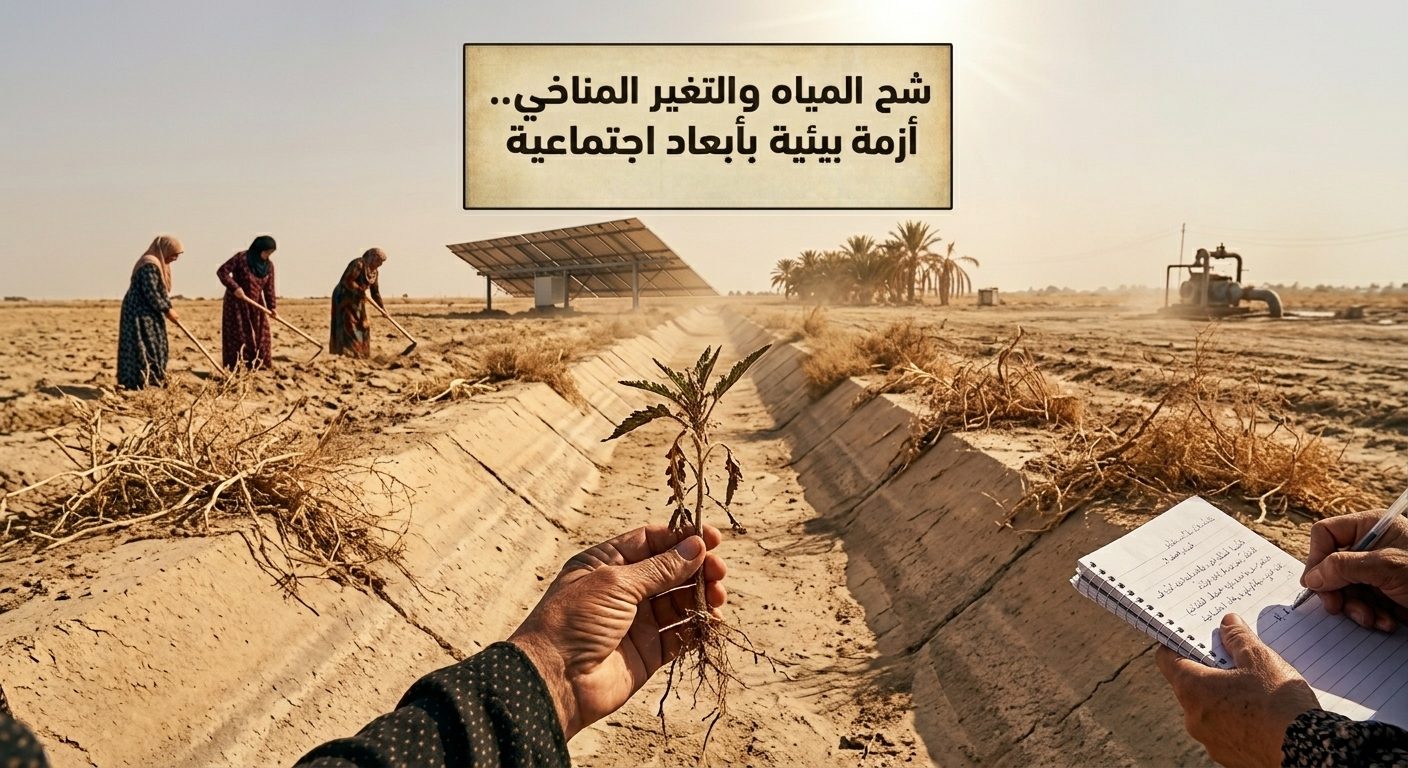
شح المياه والتغير المناخي.. أزمة بيئية بأبعاد اجتماعية
لم تعد التغيرات البيئية مسألة تخص المحاصيل والتربة وحدهما فهي تؤثر في توزيع الأعباء داخل الأسرة وفي فرص العمل والدخل وفي قدرة المجتمعات الريفية على الاستمرار.
وعندما تتراجع الموارد المائية أو ترتفع كلفة الإنتاج أو تتضرر المحاصيل تواجه الأسر الزراعية ضغوطاً قد تدفعها إلى تقليص نفقاتها أو تغيير أنشطتها أو البحث عن مصادر دخل بديلة. وفي هذه الظروف يمكن أن تتحمل النساء أعباء إضافية في تدبير احتياجات الأسرة إلى جانب محاولاتهن الحفاظ على النشاط الزراعي أو الغذائي الذي يساهمن فيه.
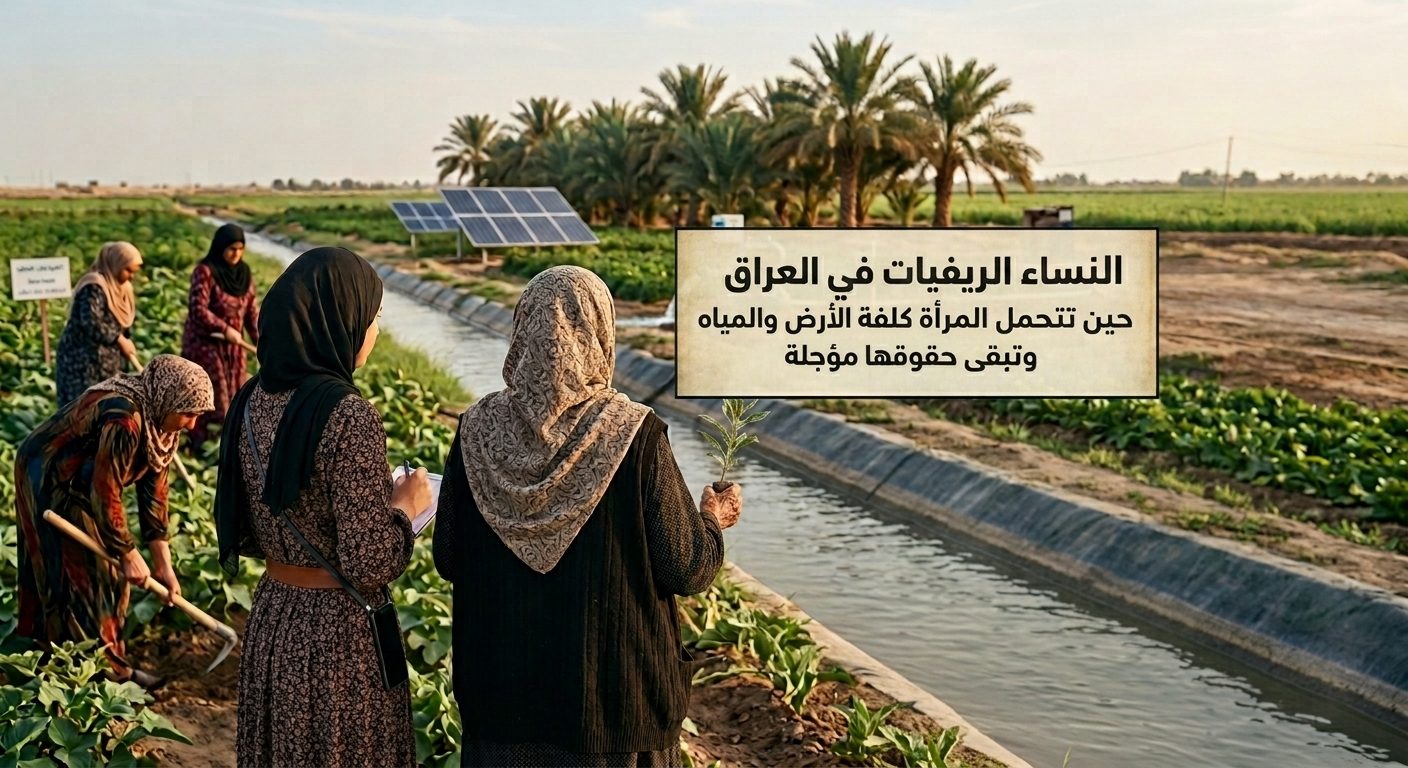
لكن من الخطأ النظر إلى المرأة الريفية باعتبارها ضحية سلبية للتغير المناخي فحسب فالنساء يمتلكن معرفة محلية متراكمة بالمواسم الزراعية، وخصائص التربة، وحفظ البذور، واستخدام الموارد، كما يمكن أن يقدن مبادرات للتكيف المناخي إذا توفرت لهن الأدوات والتدريب والموارد اللازمة.
في العراق، شهدت جهود دعم النساء الريفيات في مواجهة التغير المناخي خطوات عملية ففي آذار/مارس 2025، نظّمت منظمة الأغذية والزراعة للأمم المتحدة (الفاو)، بالتعاون مع وزارة الزراعة العراقية وبدعم من الوكالة السويدية للتعاون الإنمائي الدولي، تدريبًا في النجف ضمن مبادرة «نساء قادرات على التكيف مع المناخ». وتناول التدريب ممارسات الزراعة الذكية مناخيًا، والإدارة المستدامة للمياه والموارد الزراعية، بهدف تعزيز قدرات النساء على مواجهة التحديات البيئية التي تؤثر في سبل عيش الأسر الريفية.
وفي 5 تشرين الأول/أكتوبر 2026، أعلنت الفاو ووزارة الزراعة العراقية إطلاق تدريب لإعداد 28 مدرّبة من خمس محافظات في وسط العراق وجنوبه، ضمن المبادرة نفسها، بهدف نقل المعرفة والتقنيات الزراعية إلى النساء المزارعات وتعزيز قدرات المجتمعات الريفية على التكيف مع شح المياه والتغير المناخي.
وتعكس هذه المبادرات أهمية الربط بين المعرفة العلمية والخبرة المحلية في مواجهة التحديات المناخية. غير أن فاعليتها على المدى الطويل تظل مرتبطة باستمرارية الدعم، ووصوله إلى النساء في القرى والمناطق النائية، وتوفير الإمكانات التي تسمح لهن بتطبيق المهارات المكتسبة، بدءًا من تحسين كفاءة الري وإدارة التربة والمحاصيل، وصولًا إلى تطوير مصادر دخل أكثر استدامة.
فالتدريب على أهميته، لا يكفي وحده لمعالجة أزمة شح المياه، كما أن توعية المزارعات بأساليب التكيف لا تعوّض نقص البنية التحتية الزراعية أو محدودية الوصول إلى التمويل والأسواق. وتقتضي الاستجابة الفاعلة مقاربة متكاملة تربط بين تمكين النساء، والإدارة المستدامة للموارد الطبيعية، وتطوير الخدمات الزراعية، وضمان مشاركة النساء في القرارات المتعلقة بالأرض والمياه ومستقبل الإنتاج الزراعي.
لماذا ينبغي أن تكون النساء جزءاً من الحل؟
في العراق تكتسب قضايا النساء الريفيات أهمية في ضوء التحديات التي تواجه الأنشطة الزراعية في وسط العراق وجنوبه ولا سيما ما يتعلق بالمياه والإنتاج الزراعي والقدرة على الحفاظ على مصادر الدخل.
وتشير برامج الفاو الموجهة إلى المحافظات الوسطى والجنوبية ضمن المناطق المستهدفة بجهود تعزيز قدرة الأسر الزراعية على التكيف مع شح المياه الناجم عن التغير المناخي.
لكن فهم واقع المرأة الريفية في العراق يحتاج إلى ما هو أكثر من الحديث العام عن الزراعة إنه يحتاج إلى الاقتراب من حياتها اليومية، والاستماع إلى تجاربها، ومعرفة طبيعة العمل الذي تؤديه، وما إذا كانت تمتلك الأرض أو تعمل فيها لحساب الأسرة، ومدى قدرتها على الوصول إلى القروض والخدمات الزراعية، وكيف تتعامل مع تراجع الموارد أو خسارة المحاصيل.
كما يحتاج إلى بيانات محلية توضح الفروق بين المناطق الريفية، وتكشف أوضاع النساء العاملات في الزراعة وتربية المواشي وتصنيع الأغذية، ومدى استفادتهن من برامج الدعم والتدريب.
إن غياب هذه البيانات أو عدم تفصيلها بحسب الجنس والعمر ونوع النشاط الزراعي يجعل بعض احتياجات النساء أقل وضوحاً أمام الجهات المعنية. لذل فإن جمع المعلومات الميدانية والاستماع إلى النساء أنفسهن ينبغي أن يكون جزءاً من تخطيط البرامج الزراعية والتنموية، لا خطوة ثانوية تأتي بعد اتخاذ القرارات.
ولا ينبغي أن تقتصر مشاركة النساء على حضور الدورات التدريبية أو الفعاليات العامة بل يجب أن تشمل تحديد الأولويات، وتصميم المبادرات، وتقييم نتائجها، والمشاركة في اللجان والحوارات التي تناقش إدارة المياه والخدمات الزراعية وسبل العيش في المناطق الريفية.
من التدريب إلى الاستقلال الاقتصادي
تُطرح مبادرات التمكين الاقتصادي بوصفها مدخلًا لتحسين حياة النساء الريفيات وتعزيز استقلالهن المالي، غير أن تعليم المرأة مهارة جديدة أو مساعدتها على تأسيس مشروع صغير لا يكفي وحده لضمان تحقيق هذا الهدف.
فالمشروعات الزراعية والغذائية تحتاج إلى رأس مال ومواد أولية ومكان مناسب للعمل، فضلًا عن المعرفة بمتطلبات السوق، وقنوات تسويق فعّالة، وإمكانية الوصول إلى الزبائن. وقد تمتلك المرأة مهارة إنتاجية جيدة، لكنها تعجز عن تحويلها إلى مصدر دخل مستقر في ظل غياب التمويل أو صعوبة تسويق منتجاتها أو ارتفاع تكاليف الإنتاج.
لذلك، ينبغي أن تتجاوز برامج الدعم حدود التدريب الفني إلى بناء منظومة متكاملة للتمكين الاقتصادي، تشمل الإدارة المالية والتسويق الرقمي، وتوفير التمويل الملائم، وتسهيل الوصول إلى الأسواق والتعاونيات. كما يمكن دعم المشروعات المرتبطة بتصنيع المنتجات الزراعية والألبان والأغذية المحلية، بما يتناسب مع موارد كل منطقة واحتياجاتها والفرص الاقتصادية المتاحة فيها.
ولا ينبغي قياس نجاح هذه البرامج بعدد المشاركات أو الشهادات الممنوحة فحسب، بل بقدرتها على إحداث تغيير ملموس ومستدام في حياة النساء، من خلال تحسن دخولهن، وتعزيز قدرتهن على التحكم بعائدات أعمالهن، واستمرار مشروعاتهن بعد انتهاء الدعم، وتوسيع مشاركتهن في اتخاذ القرارات الاقتصادية داخل الأسرة والمجتمع.
إن الانتقال من التدريب إلى الاستقلال الاقتصادي يتطلب تحويل المهارات المكتسبة إلى فرص عمل ودخل مستدام، ضمن بيئة تتيح للنساء الوصول إلى الموارد والأسواق والتمويل ومن دون هذه المقومات، قد يبقى التأهيل نشاطًا محدود الأثر، بدلًا من أن يكون خطوة فعلية نحو التمكين الاقتصادي والاستقلال المالي للنساء الريفيات.
المرأة الريفية والإعلام.. من الصورة النمطية إلى المساءلة
غالباً ما تظهر المرأة الريفية في بعض التغطيات الإعلامية ضمن صورتين محدودتين امرأة تكافح بصمت، أو رمز للصبر والعطاء. ورغم أن هاتين الصورتين قد تعكسان جانباً من تجاربها، فإنهما لا تكفيان لفهم واقعها أو إظهار حقوقها وتطلعاتها.
فالمرأة الريفية ليست قصة إنسانية فقط بل موضوع صحفي يرتبط بالاقتصاد والسياسات الزراعية والعدالة الاجتماعية والبيئة والخدمات العامة.
ومن هنايمكن للصحافة أن تسهم في كشف الفجوات بين الخطط المعلنة والواقع الميداني من خلال البحث في وصول النساء إلى برامج التمويل الزراعي، وتوزيع فرص التدريب، وتوافر الخدمات الصحية والتعليمية، وأثر شح المياه في مصادر الدخل، ومدى إشراك النساء في القرارات التي تخص مجتمعاتهن.
كما يمكن للإعلام أن يوثق تجارب النساء اللواتي طورن مشاريعهن، أو واجهن خسائر زراعية، أو حاولن الحصول على حقوقهن في الملكية والميراث، مع الالتزام بالتحقق من المعلومات وحماية الخصوصية وعدم تحويل المعاناة الإنسانية إلى مادة استعراضية.
إن نقل صوت المرأة الريفية يعني أيضاً إفساح المجال أمامها لتحديد ما تريد الحديث عنه، بدلاً من أن يتحدث الآخرون نيابة عنها. فالمشاركة الإعلامية الحقيقية لا تتوقف عند ظهور المرأة أمام الكاميرا بل تشمل احترام خبرتها وإشراكها في تفسير القضايا التي تمس حياتها.
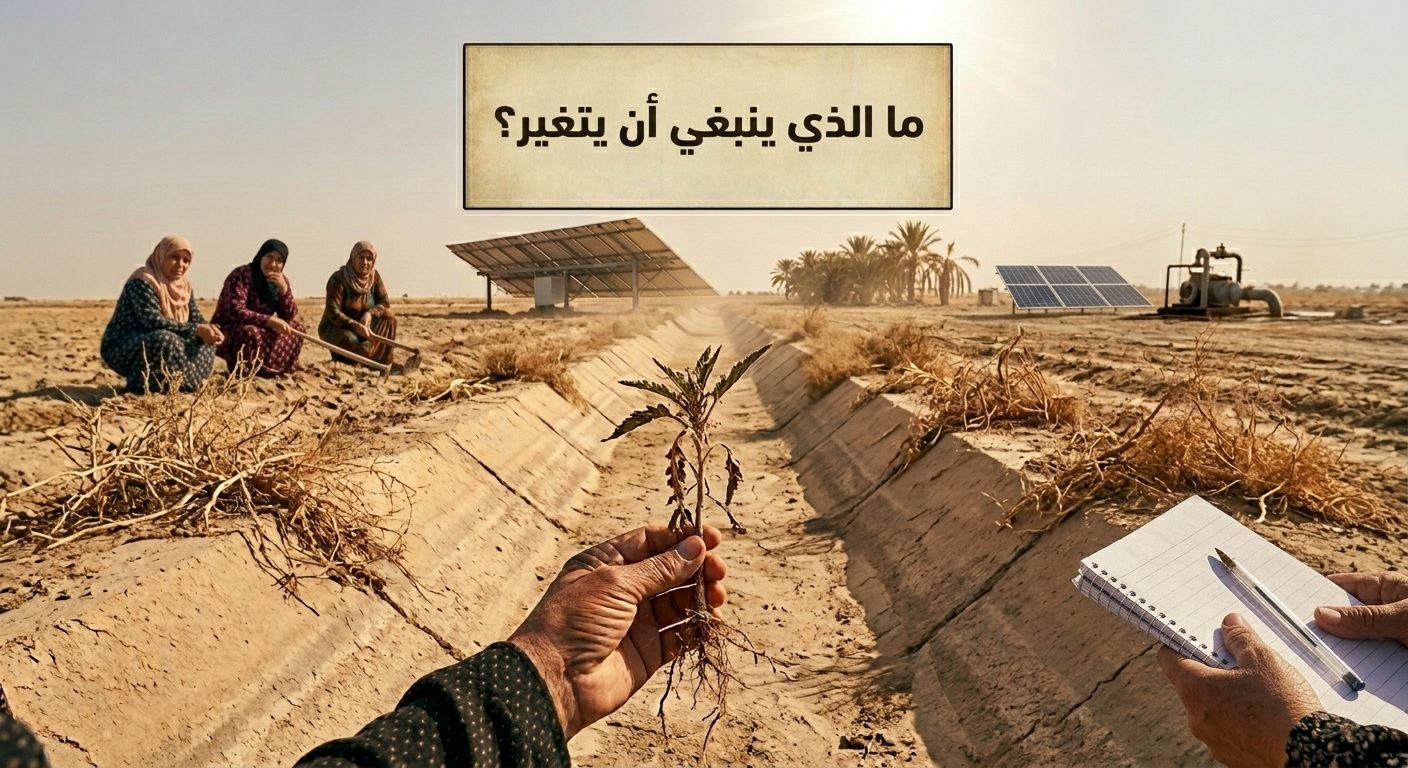
ما الذي ينبغي أن يتغير؟
إن الانتقال من الاحتفاء بالمرأة الريفية إلى تحسين واقعها المعيشي والاقتصادي والحقوقي يتطلب التزامات واضحة من المؤسسات الحكومية والجهات التنموية والمنظمات المدنية ووسائل الإعلام، تترجم إلى سياسات وإجراءات قابلة للتنفيذ وقياس الأثر.
ويبدأ ذلك بتعزيز الحقوق الاقتصادية للنساء الريفيات، من خلال تسهيل وصولهن إلى الملكية والتمويل والخدمات القانونية، وضمان تكافؤ الفرص في الاستفادة من برامج الدعم الزراعي والموارد الإنتاجية، بما يعزز استقلالهن الاقتصادي وقدرتهن على التحكم بعائدات عملهن.
كما يتطلب تحسين واقعهن تطوير الخدمات الأساسية والبنى التحتية في المناطق الريفية، بما يشمل المياه والرعاية الصحية والتعليم والنقل والاتصالات. فالتنمية الريفية لا تتحقق بالزراعة وحدها، بل بتوفير الظروف التي تمكّن الأسر من العيش والعمل بكرامة، وتحدّ من الأعباء التي تتحملها النساء في حياتهن اليومية.
وفي ظل تفاقم التحديات المناخية وشح المياه، تبرز الحاجة إلى توسيع برامج التكيف المناخي التي تجمع بين التدريب العملي وتوفير الأدوات والتقنيات الملائمة، مع إشراك النساء في تخطيط استخدام المياه وإدارة الموارد الزراعية، وعدم الاكتفاء بتقديم الإرشادات دون توفير الإمكانات اللازمة لتطبيقها.
ويُعد دعم المشاريع النسائية والتعاونيات الزراعية والغذائية مسارًا أساسيًا لتعزيز الاستقلال الاقتصادي، من خلال توفير التمويل المناسب، وتطوير مهارات الإدارة والتسويق، وفتح قنوات للوصول إلى الأسواق، إلى جانب متابعة النتائج الاقتصادية والاجتماعية لهذه المشاريع على المدى الطويل.
ومن الضروري أيضًا تطوير قواعد بيانات مصنفة حسب الجنس ترصد الفروق بين النساء والرجال في العمل الزراعي والدخل والملكية والوصول إلى الخدمات والموارد. فمن دون بيانات دقيقة ومحدثة، يصعب تحديد حجم الفجوات أو تصميم برامج تستجيب للاحتياجات الفعلية للنساء الريفيات بدلًا من الاعتماد على افتراضات عامة.
ولا يكتمل هذا المسار من دون تعزيز مشاركة النساء الريفيات في صنع القرار المحلي، وإتاحة المجال أمامهن للتعبير عن أولوياتهن والمساهمة في تحديد الحلول المتعلقة بالأرض والمياه والإنتاج الزراعي والخدمات العامة. فإشراك النساء في القرارات التي تؤثر في حياتهن ليس مجرد إجراء تشاوري، بل عنصر أساسي لضمان استجابة السياسات لاحتياجاتهن.
إن تحسين واقع المرأة الريفية لا يتحقق بمبادرات متفرقة أو أنشطة موسمية، بل بسياسات متكاملة تربط بين الحقوق الاقتصادية والخدمات الأساسية والتكيف المناخي والتمويل والمشاركة في صنع القرار، مع آليات واضحة لمتابعة التنفيذ وقياس النتائج. وعندها فقط يمكن الانتقال من الاعتراف بدور المرأة الريفية إلى ضمان حقوقها وتعزيز قدرتها على بناء مستقبل أكثر استقرارًا واستقلالًا.
لا تنمية ريفية من دون عدالة للنساء
في اليوم الدولي للمرأة الريفية لا يكفي أن نتذكر النساء اللواتي يعملن في الحقول أو نحتفي بما يقدمنه لأسرهن ومجتمعاتهن. الأهم أن نسأل عن الحقوق والفرص التي يحصلن عليها، وعن الموارد التي يستطعن الوصول إليها، وعن مدى قدرتهن على تحويل عملهن إلى استقلال اقتصادي ومشاركة حقيقية في القرار.
فالمرأة الريفية لا تحتاج إلى الاعتراف بجهدها فقط إنها تحتاج إلى سياسات تحمي حقوقها، وخدمات تدعم حياتها، وفرص تمكّنها من تطوير عملها، ومؤسسات تستمع إلى صوتها وتأخذ احتياجاتها بجدية.
وفي بلد يواجه تحديات متزايدة في المياه والزراعة والتغير المناخي فإن إشراك النساء الريفيات في صناعة الحلول ليس مسألة رمزية، بل ضرورة تنموية. فالمعرفة التي يمتلكنها، والخبرة التي اكتسبنها، وقدرتهن على تنظيم المبادرات المحلية، يمكن أن تسهم في بناء استجابة أكثر فاعلية واستدامة إذا اقترنت بالموارد والدعم والحقوق.
إن العدالة للمرأة الريفية لا تتحقق حين نرى تعبها فحسب بل حين نعترف بقيمة عملها ونضمن حقها في الموارد، ونمنحها القدرة على اتخاذ القرار. فالأرض التي تنتج الغذاء تحتاج إلى من يحميها، والمجتمعات التي تعتمد عليها تحتاج إلى تنمية لا تترك النساء اللواتي يسهمن في استمرارها خلف الركب.
Rural Women in Iraq: Bearing the Costs of Land and Water While Their Rights Remain Deferred
An In-Depth Journalistic Feature on the Economic, Legal, and Environmental Realities Facing Rural Women
On the occasion of the International Day of Rural Women — 15 October 2026
By Rasha Al-Janabi | Iraq
In rural Iraq, a woman’s story does not begin and end in the fields or with the harvest season. Her work extends from the land to the home, from caring for crops and livestock to managing household needs, and from confronting water scarcity and dwindling natural resources to trying to preserve a livelihood over which she may have little decision-making power.
On 15 October, the world marks the International Day of Rural Women, established by the United Nations to highlight women’s contributions to agricultural production, food security, and sustainable development. Yet the occasion raises questions that go beyond celebration. If rural women are essential partners in food production and the protection of natural resources, why do so many continue to face barriers to land ownership, financing, and access to markets? And why does much of their work remain economically and socially invisible?
The issue is not a lack of effort, but a gap between what women contribute and the rights, opportunities, and protections they receive. This gap widens when fragile agricultural resources intersect with limited public services, unpaid domestic responsibilities, and restricted participation in decision-making.
The issue is particularly significant in Iraq, where farming communities face mounting pressures associated with water scarcity, climate change, and declining livelihood opportunities. Across villages and rural areas, women continue to work to sustain their families and maintain productive activities despite increasingly difficult environmental and economic conditions.
Work at Every Stage of Production — Yet Not Always Counted
Rural women perform multiple roles throughout agricultural and food production systems. They may participate in planting and tending crops, collecting seeds, feeding animals, milking livestock, processing food products, preserving produce, and marketing goods. At the same time, they carry a substantial share of domestic work and the responsibility of caring for children and older family members.
These responsibilities are essential to the continuity of family life and agricultural production. Yet they do not always translate into income, social protection, or economic recognition.
One of the central problems is that agricultural work is often understood primarily as paid employment. A woman may spend long hours working on family land or participating in a shared agricultural activity without receiving an independent income or having a decisive say in how the proceeds are used.
This highlights the difference between participating in work and achieving economic independence. A woman may be productive and highly experienced but have no control over her earnings, little influence over decisions about purchasing agricultural supplies or expanding a small business, and insufficient resources to cope with crop losses or declining production.
The United Nations identifies unpaid work, limited access to assets and resources, inadequate public services, and restricted participation in decision-making among the factors contributing to inequality for women and girls in rural areas.
Addressing this problem requires moving beyond the perception of rural women as merely assisting their families. They are workers and producers, and many are farmers, entrepreneurs, or essential contributors to the food production chain. Their economic and social rights must reflect the value of these roles.
Land Is More Than a Livelihood — It Is a Foundation for Independence
Land ownership is one of the most important issues affecting rural women. Land is not simply a means of agricultural production; it can also provide a foundation for economic independence, access to financing, long-term investment, and greater resilience in times of crisis.
Nevertheless, women and men do not enjoy equal opportunities to access land and agricultural resources in many parts of the world. According to figures highlighted by the United Nations in connection with the International Day of Rural Women, women account for approximately 40 percent of the global agricultural labour force but own only around 15 percent of agricultural land.
These figures do not mean that conditions are identical in every country. They do, however, reveal a global imbalance between women’s contributions to production and their ability to own and control productive assets.
In Iraq, ensuring that rural women can exercise their legal rights to property and inheritance is particularly important. They also need access to information, legal assistance, and financial services. The existence of legal rights alone is insufficient if women face social or administrative barriers that prevent them from claiming or benefiting from those rights.
The absence of land ownership or financial guarantees can also make it more difficult for women to obtain loans and invest in agricultural businesses. This may limit their ability to move from unpaid family labour to independent economic activity.
Supporting rural women, therefore, begins with recognising their rights to the resources they help cultivate and manage. It also requires ensuring that they participate in decisions concerning production, income, and assets, rather than limiting support to additional training opportunities.
Water Scarcity and Climate Change: An Environmental Crisis with Social Consequences
Environmental changes no longer affect crops and soil alone. They also influence how responsibilities are distributed within households, the availability of employment and income, and the ability of rural communities to sustain their livelihoods.
When water resources decline, production costs rise, or crops are damaged, agricultural households face pressures that may force them to reduce spending, change their activities, or seek alternative sources of income. In these circumstances, women may take on additional responsibilities for meeting household needs while trying to maintain the agricultural or food-related activities in which they participate.
However, rural women should not be viewed solely as passive victims of climate change. They possess accumulated local knowledge of agricultural seasons, soil conditions, seed preservation, and resource management. They can also lead climate adaptation initiatives when they have access to the necessary tools, training, and resources.
In Iraq, practical efforts have been undertaken to support rural women in responding to climate change. In March 2025, the Food and Agriculture Organization of the United Nations (FAO), in cooperation with Iraq’s Ministry of Agriculture and with support from the Swedish International Development Cooperation Agency, organised training in Najaf under the Climate Wise Women initiative.
The training addressed climate-smart agricultural practices and the sustainable management of water and agricultural resources. Its objective was to strengthen women’s ability to respond to environmental challenges affecting the livelihoods of rural households.
On 5 October 2026, FAO and Iraq’s Ministry of Agriculture announced the launch of another training programme in Erbil to prepare 28 trainers from five governorates in central and southern Iraq under the same initiative. The programme aims to transfer agricultural knowledge and techniques to women farmers and strengthen rural communities’ capacity to adapt to water scarcity and climate change.
These initiatives demonstrate the importance of connecting scientific knowledge with local experience in responding to climate challenges. However, their long-term effectiveness depends on sustained support, access for women in remote villages, and the resources needed to put newly acquired skills into practice.
Such measures may include improving irrigation efficiency, managing soil and crops more sustainably, and developing more resilient sources of income.
Training alone cannot resolve the water crisis. Nor can raising awareness about climate adaptation compensate for inadequate agricultural infrastructure or limited access to financing and markets. An effective response requires an integrated approach that links women’s empowerment with sustainable natural resource management, improved agricultural services, and women’s participation in decisions concerning land, water, and the future of agricultural production.
Why Must Women Be Part of the Solution
In Iraq, the situation of rural women is particularly important given the challenges facing agricultural activities in the central and southern regions, especially those related to water, agricultural production, and the sustainability of household incomes.
FAO programmes targeting these regions include efforts to strengthen agricultural households’ capacity to adapt to water scarcity associated with climate change. Such initiatives are important, but understanding the realities facing rural women requires more than general discussions about agriculture.
It requires examining their daily lives, listening to their experiences, and understanding the work they perform. Do they own the land they cultivate, or do they work on family land? Can they access loans and agricultural services? How do they respond when water supplies decline or crops fail? Do they have a say in decisions about agricultural production and the income it generates?
Answering these questions requires local data that reveal differences between rural areas and document the circumstances of women working in farming, livestock production, and food processing. It also requires examining whether women benefit from agricultural support programmes and training opportunities.
When data are unavailable or not disaggregated by sex, age, and type of agricultural activity, women’s needs can remain largely invisible to decision-makers. Field research and direct consultation with women should therefore be integral to the planning of agricultural and development programmes, rather than secondary steps taken after decisions have already been made.
Women’s participation should not be limited to attending training courses or public events. It must extend to identifying priorities, designing initiatives, evaluating results, and participating in committees and consultations addressing water management, agricultural services, and rural livelihoods.
Including women in these processes is not merely a matter of representation. It helps ensure that policies and programmes reflect the realities of the communities they are intended to serve.
From Training to Economic Independence
Economic empowerment initiatives are often presented as a means of improving rural women’s lives and strengthening their financial independence. Yet teaching a woman a new skill or helping her establish a small business does not, by itself, guarantee lasting economic benefits.
Agricultural and food-related businesses require capital, raw materials, suitable working spaces, knowledge of market requirements, effective marketing channels, and access to customers. A woman may have excellent production skills but still struggle to turn them into a stable source of income because of inadequate financing, difficulties marketing her products, or rising production costs.
Support programmes must therefore go beyond technical training and establish a more comprehensive system of economic empowerment. This should include financial management, digital marketing, appropriate financing mechanisms, and improved access to markets and cooperatives.
Women-led businesses involving agricultural processing, dairy products, and locally produced food could also be supported according to the resources, needs, and economic opportunities available in each area.
The success of these programmes should not be measured solely by the number of participants or certificates awarded. It should be assessed through their ability to produce tangible and lasting changes in women’s lives.
Relevant indicators include increased income, greater control over business earnings, the survival of projects after external assistance ends, and expanded participation in household and community economic decisions.
Moving from training to economic independence means turning acquired skills into sustainable employment and income opportunities. This requires an environment in which women can access resources, markets, and financing.
Without these essential conditions, training may remain an activity with limited impact rather than a meaningful step towards economic empowerment and financial independence for rural women.
Rural Women and the Media: From Stereotypes to Accountability
In some media coverage, rural women are frequently portrayed through two limited images: women who struggle in silence, or symbols of patience, sacrifice, and generosity. Although these portrayals may reflect aspects of their experiences, they do not fully explain their circumstances or reveal their rights and aspirations.
Rural women are not simply the subjects of human-interest stories. Their lives are connected to economic policy, agricultural systems, social justice, environmental protection, and public services.
Journalism can help expose the gaps between announced plans and realities on the ground by investigating women’s access to agricultural financing, the distribution of training opportunities, the availability of healthcare and education, the impact of water scarcity on household income, and the extent to which women participate in decisions affecting their communities.
The media can also document the experiences of women who have developed successful businesses, suffered agricultural losses, or attempted to exercise their property and inheritance rights. Such reporting must be based on verified information, respect privacy, and avoid turning human suffering into spectacle.
Giving rural women a voice also means allowing them to determine what they want to discuss, rather than having others speak on their behalf. Meaningful media participation goes beyond appearing in front of a camera. It requires respecting women’s expertise and involving them in interpreting the issues that shape their lives.
Responsible journalism should also examine the institutions and systems influencing rural women’s circumstances. This includes asking whether public programmes reach their intended beneficiaries, whether services are accessible to women in remote communities, and whether announced commitments translate into measurable improvements.
By moving beyond stereotypes and focusing on evidence, media organisations can help make rural women’s contributions visible while holding institutions accountable for the policies and services that affect them.
What Needs to Change
Moving from celebrating rural women to improving their economic, legal, and social circumstances requires clear commitments from government institutions, development agencies, civil society organisations, and the media. These commitments must be translated into practical policies and measures whose implementation and impact can be assessed.
First, the economic rights of rural women must be strengthened. This includes facilitating access to property, financing, and legal services, while ensuring equal opportunities to benefit from agricultural support programmes and productive resources. These measures are essential to strengthening women’s economic independence and their ability to control the income generated by their work.
Second, basic services and infrastructure in rural areas must improve. This includes access to water, healthcare, education, transportation, and communications. Rural development cannot be achieved through agriculture alone. It also requires the conditions that enable families to live and work with dignity while reducing the daily burdens disproportionately borne by women.
Third, as climate pressures and water scarcity intensify, climate adaptation programmes must expand. These programmes should combine practical training with access to appropriate tools and technologies. Women must also participate in planning water use and managing agricultural resources. Providing advice without the means to apply it is not enough.
Fourth, support for women-led businesses and agricultural and food cooperatives should become a central component of economic development. This requires suitable financing, stronger management and marketing skills, and improved access to markets, alongside long-term monitoring of the economic and social outcomes of supported projects.
Fifth, Iraq needs accurate and up-to-date databases disaggregated by sex to identify differences between women and men in agricultural employment, income, land ownership, and access to services and resources. Without reliable data, it is difficult to measure inequalities or design programmes that respond to rural women’s actual needs rather than general assumptions.
Finally, rural women must have a stronger role in local decision-making. They need opportunities to express their priorities and help shape solutions concerning land, water, agricultural production, and public services.
Involving women in decisions that affect their lives is not simply a consultative exercise. It is an essential component of policies that respond to their needs and make better use of their knowledge and experience.
Improving the lives of rural women cannot be achieved through isolated initiatives or seasonal activities. It requires integrated policies connecting economic rights, essential services, climate adaptation, financing, and participation in decision-making, supported by clear mechanisms for monitoring implementation and measuring results.
Only then can recognition of rural women’s contributions become a genuine commitment to protecting their rights and strengthening their ability to build a more secure and independent future.
No Rural Development Without Justice for Women
On the International Day of Rural Women, it is not enough to remember the women working in fields or celebrate what they contribute to their families and communities. More important questions concern the rights and opportunities available to them, the resources they can access, and their ability to turn their work into economic independence and meaningful participation in decision-making.
Rural women need more than recognition of their efforts. They need policies that protect their rights, services that support their lives, opportunities to develop their work, and institutions that listen to their voices and take their needs seriously.
In a country facing growing challenges related to water, agriculture, and climate change, involving rural women in developing solutions is not a symbolic gesture. It is a development necessity.
Their knowledge, experience, and ability to organise local initiatives can contribute to more effective and sustainable responses, provided these strengths are matched by the necessary resources, support, and rights.
Justice for rural women will not be achieved simply by acknowledging their hardships. It requires recognising the value of their work, safeguarding their access to resources, and ensuring that they have the power to make decisions about their own lives.
The land that produces food needs protection, and the communities that depend on it need a model of development that does not leave behind the women whose work helps sustain them.